
Spinal decompression is not the right fit for every type of back or neck pain. That is not how we use it.
At Rising Sun Chiropractic + Weight Loss, we consider decompression when your history and examination suggest that taking pressure off a disc or irritated nerve may help. It can be one part of a larger treatment plan, but it is not the right fit for everyone.
What does that feel like? Some people tell us they feel squished as the day goes on. By mid-morning or early afternoon, they wish someone could gently pull on their arms or legs. They may also find themselves needing to sit or rest more often. Those are some of the clues we consider when deciding whether spinal decompression is right for you.
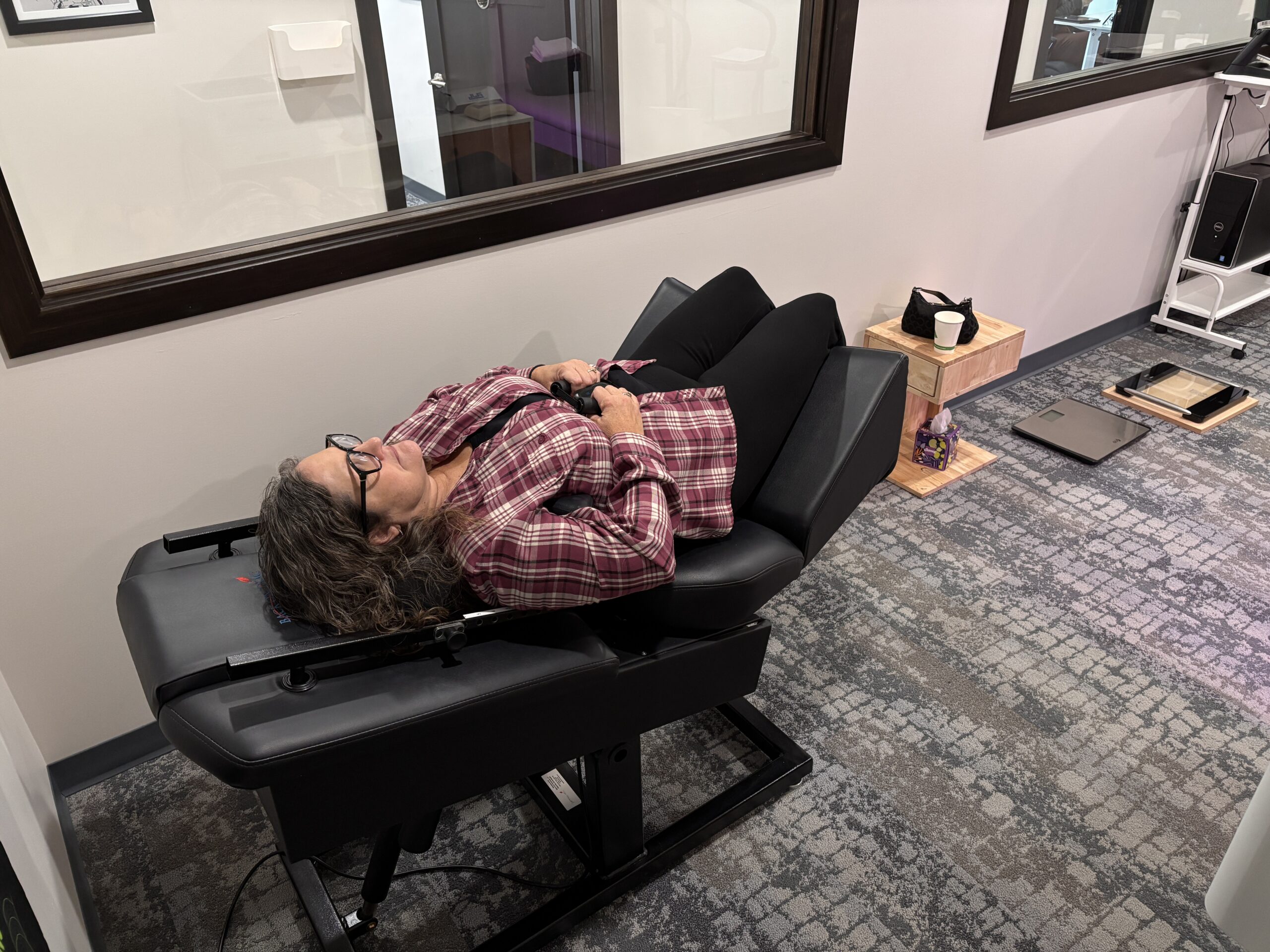
What Is Non-Surgical Spinal Decompression?
Non-surgical spinal decompression uses a motorized table to apply a controlled, adjustable pull to the spine. In clinical terms, it changes the amount of distraction, or space, between the vertebrae. Put simply, the table does the work of gently taking pressure off the area.
Spinal discs take in fluid through a process called imbibition. Think of it like rehydrating a dry sponge. When a sponge dries out, it becomes stiff. As it takes water back in, it loosens up and moves more easily. Decompression is designed to reduce pressure and help create the conditions for that fluid exchange.
Treatment should be comfortable and matched to your size, symptoms and response. The goal is to make movement and exercise more comfortable so we can begin rebuilding what your spine needs to handle everyday life.
When Decompression May Be a Good Fit
Decompression may be a good fit when someone has:
- Lower-back or neck pain that may be related to a disc
- Pain traveling into an arm or leg
- Numbness or tingling that follows a nerve-related pattern
- Symptoms made worse by standing, driving, prolonged sitting or certain spinal positions
- Chronic or recurring pain that has not improved enough with simpler conservative care
- Difficulty tolerating exercise because the area remains irritated
These symptoms do not automatically mean that you need decompression, but they are often part of what people tell us when it may be a good fit.
What We Look for Before Recommending It
- Where the pain begins and whether it travels
- Which movements make symptoms better or worse
- Whether pain moves back toward the spine—a change we call centralization—or travels farther into an arm or leg
- Changes in strength, reflexes or sensation
- Whether certain positions place tension on an irritated nerve
- How you responded to previous treatment
- Imaging findings when imaging is clinically necessary
- Whether you can safely and comfortably tolerate the position and amount of stretch
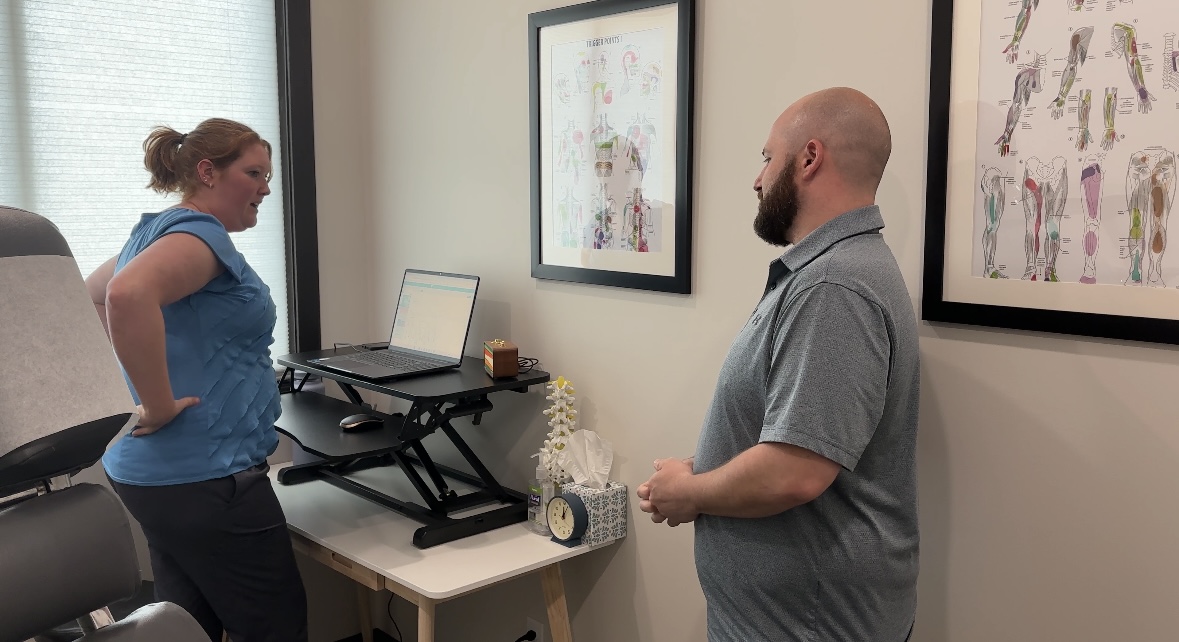
An MRI report alone does not determine the plan. Disc bulges and age-related changes can be present in people without pain. We compare the imaging with what you feel and what we find during the examination.
When Decompression May Not Be the Right Fit
Decompression may not be appropriate, or medical clearance may be needed, with certain fractures, spinal instability, severe osteoporosis, infection, tumor, recent surgery, vascular concerns or other medical conditions. Progressive weakness, bowel or bladder changes, numbness in the saddle area, fever, unexplained weight loss or severe pain following trauma require prompt medical evaluation.
Some people simply respond better to movement, exercise, hands-on treatment or another approach.
Why Decompression Usually Is Not the Whole Plan
Reducing irritation can help, but your spine still needs to tolerate everyday life. That is why a decompression plan may also include:
- Chiropractic care when appropriate
- Movement and strengthening exercises selected for your specific pattern
- Progressive strength and endurance work
- Walking and activity that gradually increase as you improve
- Changes to work or lifting when needed
- Soft-tissue or laser therapy when clinically useful
Our functional rehabilitation and corrective exercise program helps patients rebuild the capacity needed after symptoms begin to settle.
How Quickly Should You Know Whether It Is Helping?
Treatment plans should get results. Depending on the case, we track pain location, walking or sitting tolerance, range of motion, strength, sleep, medication use and your ability to complete daily activities.
Throughout your treatment plan, we monitor how you respond. If needed, we change the amount of stretch, its direction or how often you receive treatment. We do not keep repeating the same thing when the results tell us we need to adjust.
Spinal Decompression in St. Peter, MN
Rising Sun Chiropractic + Weight Loss provides non-surgical spinal decompression for patients from St. Peter, Mankato and surrounding southern Minnesota communities.
Learn more on our spinal decompression therapy page. To find out whether spinal decompression may be the right fit for you, call 507-934-3333 or schedule online.