
Spinal Decompression Therapy in St. Peter, MN
Non-Surgical Decompression for Neck, Back and Nerve Pain
Spinal decompression uses gentle, controlled distraction to reduce mechanical pressure on irritated spinal joints and discs. At Rising Sun, we use the Back on Trac system for selected patients with disc-related neck or back pain, sciatica, spinal stenosis and other problems that respond to unloading. It is not the right treatment for every case, so we begin with an examination and choose treatment based on your condition and how your symptoms behave.
Clinically reviewed by Seth Nelson, DC · Updated September 22, 2026
Rising Sun provides cervical and lumbar spinal decompression in St. Peter for patients from Mankato, North Mankato, Nicollet, Kasota, Le Sueur and surrounding communities.
Your examination helps us determine whether decompression is appropriate and recommend a schedule based on your condition, goals and response to care.
Cherry financing is available for eligible self-pay services and services not covered by insurance, subject to approval. View Cherry financing options, or contact our team to review available terms and how to apply.

Non-Surgical Spinal Decompression in St. Peter, MN
Before you assume surgery is your only option, find out whether spinal decompression makes sense for you.
Many patients come to us because they want to stay active, rely less on medication and explore a non-surgical option before electing a more invasive procedure. When the condition is appropriate for decompression, meaningful improvement may give a patient another path forward—and in some cases may help them avoid choosing surgery altogether.
A herniated disc isn’t something we simply “push back into place.” Decompression works differently.
By gently unloading the spine, spinal decompression can lower pressure inside the disc and create a vacuum-like pressure change. That can reduce mechanical irritation around the nerve, encourage fluid and nutrients to move through the disc, and in some cases allow displaced disc material to reduce or move away from sensitive nerve tissue over time. We are trying to create a better environment for the disc and nerve to recover—not promise that every herniation will disappear.
Decompression may be combined with chiropractic care, rehabilitation, soft-tissue treatment or other services when they fit your examination findings and goals. Not every patient needs the same combination of care.
We routinely utilize decompression therapy to help patients find lasting relief from:
-
Lumbar disc bulges and herniations
-
Chronic sciatica and radiating leg pain
-
Degenerative joint disease and spinal stenosis
-
Severe lower back stiffness and muscle spasms
-
Chronic pain from stable compression fractures
-
Reconditioning after previous back injuries
How Decompression Helps
Spinal decompression is not a one-size-fits-all treatment. What we are trying to change depends on what is causing your symptoms.
- Sciatica & Radiating Nerve Pain: Decompression may reduce mechanical irritation around a spinal nerve and help improve leg pain, numbness, tingling, heaviness or related symptoms.
- Herniated, Bulging & Extruded Discs: The goal is to reduce disc pressure, improve the environment around the nerve, support fluid movement and, in some cases, allow displaced material to reduce or move away from sensitive nerve tissue over time.
- Spinal Stenosis: Changes in spinal position and loading may improve the available space around sensitive nerve tissue and help symptoms such as leg pain, heaviness, numbness or limited standing and walking tolerance. Decompression does not reverse arthritis or permanently enlarge the spinal canal.
- Degenerative Changes: Degenerative joints and discs can still become mechanically irritated. The goal is to reduce compressive loading and improve function and tolerance for activity—not describe the spine as worn out.
- Chronic Mechanical Neck or Back Pain: Not all chronic pain comes from a dramatic disc herniation. Stiffness, joint irritation, muscle guarding and poor loading tolerance can all contribute. Decompression provides controlled unloading and may work alongside chiropractic, soft-tissue care and rehabilitation.
We look at the pattern of your symptoms, your examination and your response to treatment to decide whether decompression is actually addressing the problem.
Conditions We Treat
- Chronic Low Back Stiffness: Controlled unloading can help irritated joints, discs and guarded muscles tolerate movement more comfortably.
- Disc Herniations, Bulges, Fissures and Injuries: Decompression creates pressure changes that support disc imbibition—the movement of fluid and nutrients through disc tissue—and may reduce irritation around sensitive nerves.
- Spondylolisthesis Support: Spondylolisthesis is not an automatic contraindication. We assess stability, symptoms, examination findings and available imaging before deciding whether modified decompression is appropriate.
- Stable, Healed Compression Fractures: An old compression fracture does not necessarily prevent decompression. When the area is stable and healed, treatment may help reduce mechanical stress and irritation around the affected area. We do not use decompression to accelerate fracture healing or stabilize an unstable spine.
Struggling with Positional Pain?
Do you experience a sharp catch, aching stiffness, or shooting discomfort that only triggers when you sit, stand, bend, or lean in a specific direction?
Positional pain tells us that changing spinal position or load changes your symptoms. It does not identify one diagnosis by itself. The pattern can be influenced by a disc, joint, nerve, muscle or another structure, so the examination matters.
How Spinal Decompression May Help
The Back on Trac system applies controlled cycles of distraction and relaxation. We adjust the position and force based on your symptoms and response.
-
Controlled Unloading: Gentle separation reduces compressive loading on irritated spinal structures.
-
Vacuum-Like Pressure Change: Lower pressure inside the disc may reduce nerve irritation and, in some cases, allow displaced disc material to move away from sensitive tissue over time.
-
Disc Imbibition: Alternating loading and unloading encourages water and nutrients to move through the disc, creating a better environment for recovery.
We go the extra mile for your health
For more than a decade, Rising Sun Chiropractic has helped people in St. Peter and the surrounding area work through disc injuries, sciatica and persistent neck or back pain using a combination of decompression, chiropractic care, soft-tissue treatment and rehabilitation.
You should have a reason to believe the treatment is helping.
Most of our decompression patients notice some degree of relief during or after their first session, although meaningful recovery usually takes time and results vary. We are looking for changes in pain, nerve symptoms, movement and activity tolerance—not just whether the treatment feels good while you are on the table.
Many patients are able to return to activities they had been avoiding, and some improve enough that medication, injections or surgery become less necessary or are no longer the path they choose. We reassess your response throughout care and adjust the plan when needed.
What are spinal decompression therapy treatments like?
What a Decompression Session Feels Like
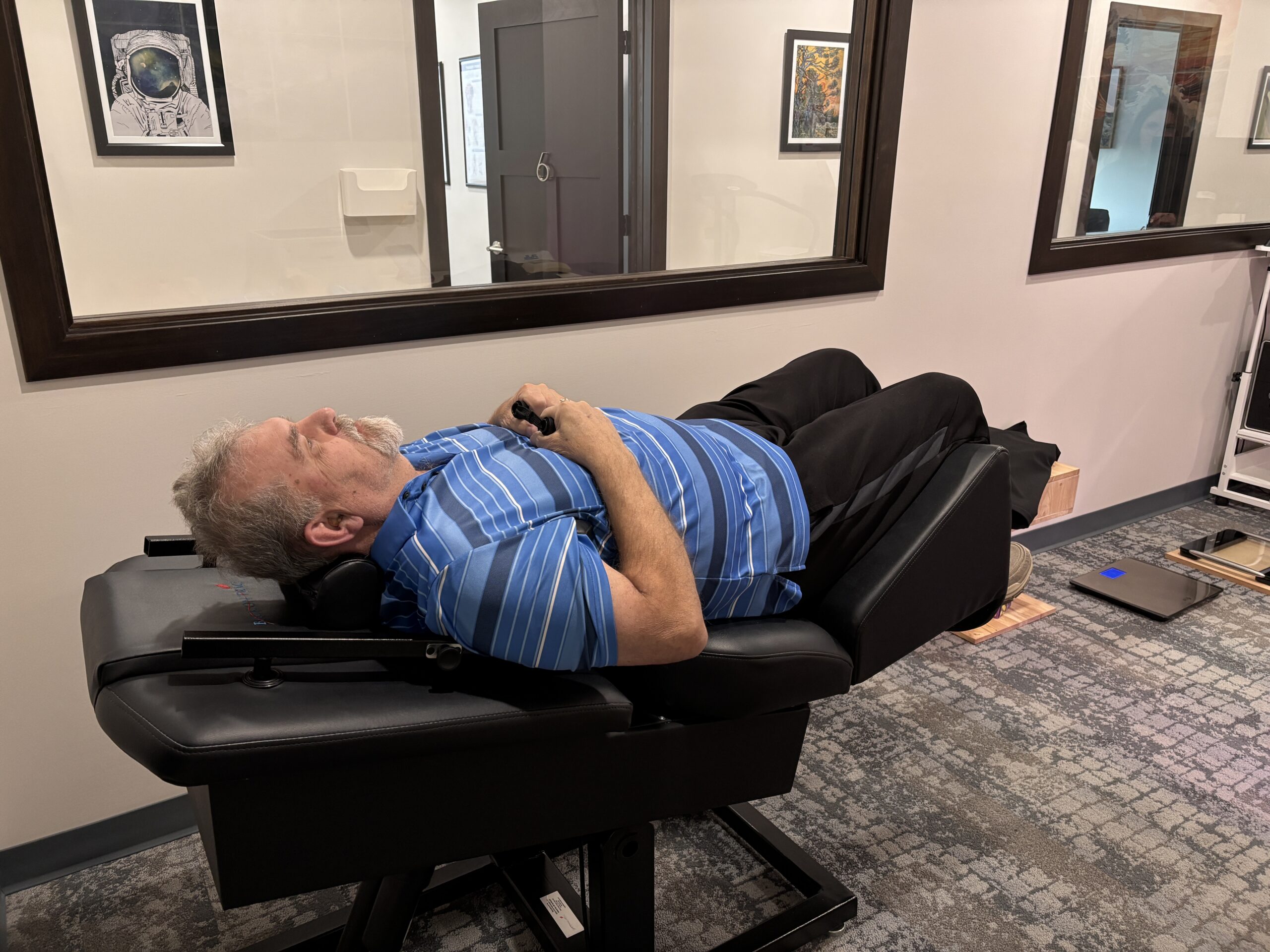
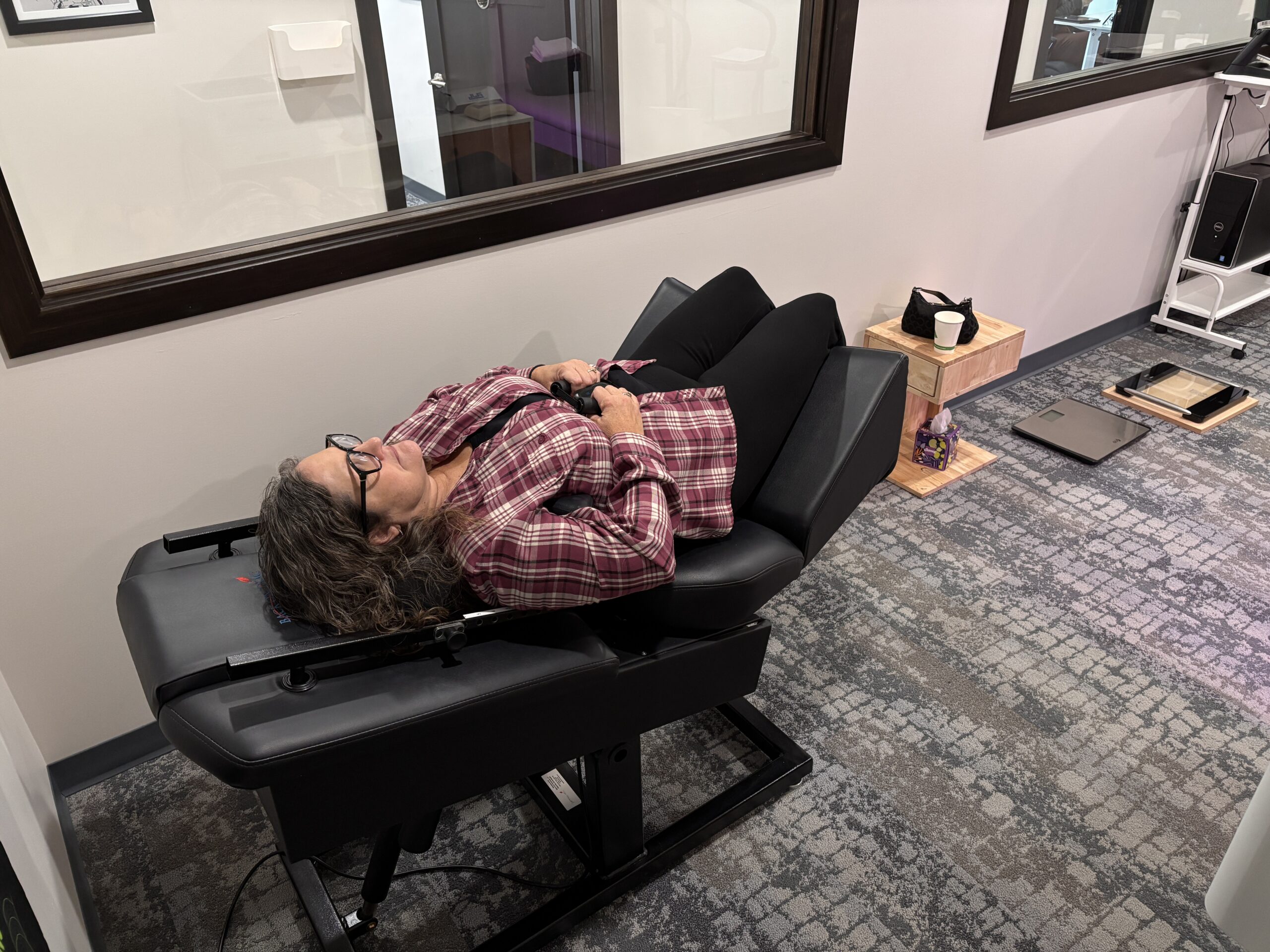
Your comfort is our absolute priority, especially when you are dealing with severe neck, back, or nerve pain. Every decompression session using the state-of-the-art Back on Trac system is completely safe, non-invasive, and deeply relaxing.
-
Getting Settled: You will remain fully clothed and start by comfortably sitting in the chair.
-
For Lower Back Care: Your arms rest over soft, supportive cushions, and your knees rest over a dedicated leg bolster to immediately take pressure off your lower spine.
-
For Neck Care: Your head rests comfortably in a specialized, supportive cervical cradle designed to gently stabilize your neck without any uncomfortable chin straps or harsh pulling.
-
-
The Treatment: Once your session begins, the chair slowly and gently transitions to a flat position and begins to apply a highly precise, computer-controlled distraction force tailored specifically to your injury.
-
The Sensation: Rather than a harsh, sudden pull, you will notice a slow, rhythmic lengthening of your spine as your discs are gradually relieved of pressure. Most of our patients find the process so relieving that they routinely rest or even catch up on sleep during care.
Your hands-on treatment lasts between 8 to 12 minutes per session. While patients with acutely inflamed discs might feel a tiny bit of mild adaptation soreness during their first few appointments, this quickly subsides as the joints begin to mobilize and heal.
How does decompression therapy work for low back pain?
Advanced Cervical Decompression for Neck & Arm Pain
Neck pain, headaches and symptoms traveling into an arm can come from several structures. When the examination suggests that cervical loading is irritating a disc, joint or nerve, the Back on Trac system allows us to apply controlled decompression to the upper spine.
We routinely consider cervical decompression for:
-
Cervical Disc Bulges & Herniations: Lowering disc pressure may reduce irritation and, in some cases, allow displaced material to move away from sensitive nerve tissue over time.
-
Cervical Radiculopathy: Reducing mechanical irritation around a cervical nerve may improve radiating arm pain, numbness, tingling or related weakness.
-
Selected Headache Patterns: When upper-neck loading and muscle guarding contribute to a headache pattern, controlled unloading may improve comfort and movement.
-
Persistent Neck Stiffness: Decompression may help improve tolerance for turning, looking up or moving through positions that have become painful or restricted.
What are typical treatment protocols?
Treatment Protocols & What to Expect
Your decompression plan is individualized based on your condition, examination findings and goals. We reassess your symptoms, function and response to care regularly to determine whether to continue, adjust or conclude treatment.
How Decompression Differs from Traditional Traction
Traditional traction often uses a more continuous pull. For some patients, that can increase protective muscle guarding and limit how comfortably the spine unloads.
The Back on Trac system gives us two useful ways to adapt treatment:
-
Dynamic, Computer-Controlled Cycles: Adjustable cycles alternate between gentle distraction and relaxation, which may reduce guarding and make treatment more comfortable.
-
Negative Pressure and Disc Imbibition: Controlled unloading creates a vacuum-like pressure change inside the disc. This may reduce irritation around a nerve, encourage fluid and nutrient movement, and in some cases allow displaced disc material to reduce or move away from sensitive tissue over time.
Ready to Find Lasting Relief?
If chronic disc pain, sciatica or neck stiffness is limiting your life, find out whether decompression offers another path forward. Our goal is to help you reduce pain, return to meaningful activity and make a more informed decision before choosing medication, injections or surgery.
Related reading: why neck pain may worsen when looking up and our guide to nerve symptoms and nerve flossing.