
Dry Needling: What It Is, How It Works, and What to Expect
Dry needling in St. Peter, MN is an effective way to address muscle tightness, stubborn knots, and lingering pain that can make daily activities harder than they should be. One treatment we use to address these problems is dry needling. While it looks similar to acupuncture, dry needling is a different technique used by trained healthcare providers to help reduce muscle tension, improve movement, and calm irritated tissues.
If you’ve heard of dry needling but aren’t sure what it involves or whether it hurts, this guide will walk you through what to expect.
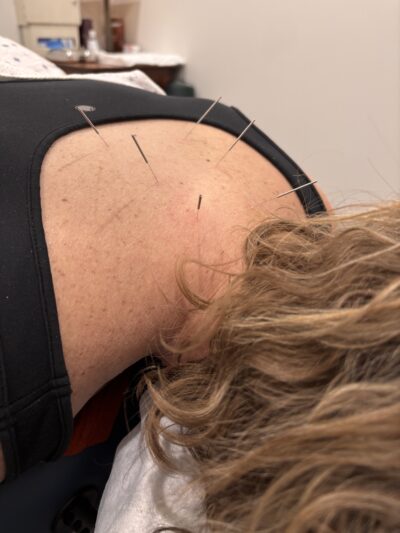
What Is Dry Needling?
Dry needling is a technique where a clinician inserts a very thin, solid needle into tight or painful areas of muscle, often called trigger points. It’s called “dry” because nothing is injected through the needle.
Although the needles look like acupuncture needles, dry needling is based on modern musculoskeletal assessment rather than traditional Chinese medicine. The goal is simple: help tense or overworked muscles relax so they can move and function more normally again.
How Does Dry Needling Work?
When a needle is placed into a tight muscle, it can cause a brief twitch response. This is a good sign that the needle has reached the right spot. That twitch helps the muscle release tension and encourages fresh blood flow to the area.
According to clinical research, dry needling has been shown to reduce pain and improve range of motion compared with no treatment or sham procedures in people with myofascial trigger point pain.
Many patients notice that after treatment:
-
Muscles feel looser
-
Movement feels easier
-
Pain becomes less intense or less frequent
Dry needling is often combined with other hands-on treatments, stretching, and exercise to help results last longer.
What Does Dry Needling Feel Like?
Most people are surprised by how small the needles are. You may feel a tiny pinch when the needle first goes in, followed by a brief ache or twitch when the tight spot is reached. After treatment, some soreness is normal — similar to a deep tissue massage or a hard workout.
Any soreness usually fades within 24–48 hours. Gentle stretching, light movement, heat, or ice can help if needed.
Everyone’s experience is slightly different, but most patients tolerate dry needling very well.
What Conditions Can Dry Needling Help?
Dry needling is commonly used for a variety of muscle and soft tissue conditions, including:
Common Conditions Treated
- Neck and back pain
- Shoulder tightness or rotator cuff strain
- Headaches related to muscle tension
- Hip and glute tightness
- Tennis or golfer’s elbow
- Plantar fasciitis
- Scar tissue restrictions
- Sports-related muscle injuries
If muscle tightness or trigger points are contributing to your pain, dry needling may be part of your treatment plan.
Is Dry Needling Safe?
When performed by a properly trained and certified provider, dry needling is considered very safe. The most common side effects are temporary soreness or mild bruising.
Because training matters, it’s important to receive dry needling from a clinician who has completed formal certification and understands anatomy thoroughly. This ensures the treatment is both safe and effective.
Dry Needling in St. Peter, MN
At Rising Sun Chiropractic + Weight Loss in St. Peter, MN, our clinicians are trained and certified in dry needling techniques. We use dry needling as part of a broader care plan that may also include chiropractic adjustments, soft tissue therapy, rehabilitation exercises, and other treatments designed to help you move better and feel better.
Our goal is not just short-term relief, but helping your body function more comfortably in daily life.
Frequently Asked Questions
Does dry needling hurt?
Most people feel only a small pinch and a brief muscle twitch. Any soreness afterward is usually mild and short-lived.
How long does soreness last?
Typically 1–2 days. It often feels similar to post-exercise soreness.
How many sessions will I need?
This depends on your condition, how long you’ve had symptoms, and how your body responds. We’ll discuss a personalized plan during your visit, but most people respond very well within 4-6 sessions.
Want to Know If Dry Needling Is Right for You?
If you’re dealing with tight muscles, stubborn pain, or limited movement, we can help you determine whether dry needling fits your care plan.
Call our office or schedule a consultation to discuss your symptoms and treatment options.